Foundation Settlement and How Repairs Restore Stability
Homeowners seeking foundation settlement repair aim to restore stability, and local contractors can assess and perform effective repairs to protect your property.
Property owners in the area who notice uneven floors, cracked walls, or doors that no longer close properly might find themselves exploring topics like foundation settlement and how repairs restore stability. Understanding the causes behind these issues can help homeowners make informed decisions about protecting their investment and maintaining a safe, secure property. Since foundation problems can develop gradually or suddenly, staying aware of early signs and seeking guidance from experienced local contractors can be a practical step toward preserving the structural integrity of a home.
For those facing foundation concerns, connecting with local service providers who specialize in foundation repair can offer tailored solutions designed to address specific issues effectively. These professionals utilize proven techniques to stabilize and restore a foundation, helping to prevent further damage and improve the overall safety of the property. Keep reading to learn more about how foundation settlement occurs, why repairs are important, and how local experts can assist in restoring stability to a home.
- Foundation settlement repairs are needed when shifting soil causes uneven foundation movement, and local contractors assess the extent of the settlement to determine appropriate solutions.
- Pier and beam foundation repairs restore stability by lifting and leveling the structure, with service providers employing techniques suited to the specific foundation type.
- Crack repairs are common when foundation movement causes visible damage, and local pros use specialized methods to stabilize and prevent further cracking.
- Soil stabilization services address ongoing settlement issues by improving soil conditions, helping to maintain long-term foundation stability.
- Restoration of foundation stability involves tailored repair approaches that reinforce the structure, ensuring it remains secure despite shifting ground.
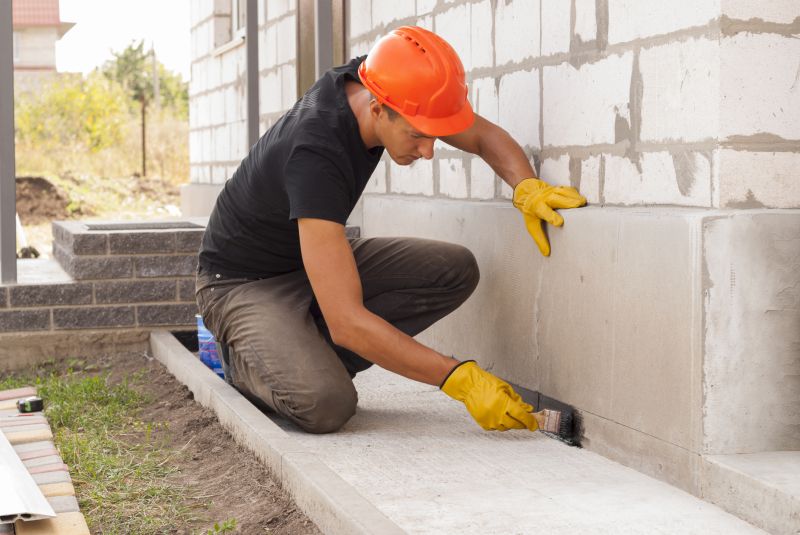
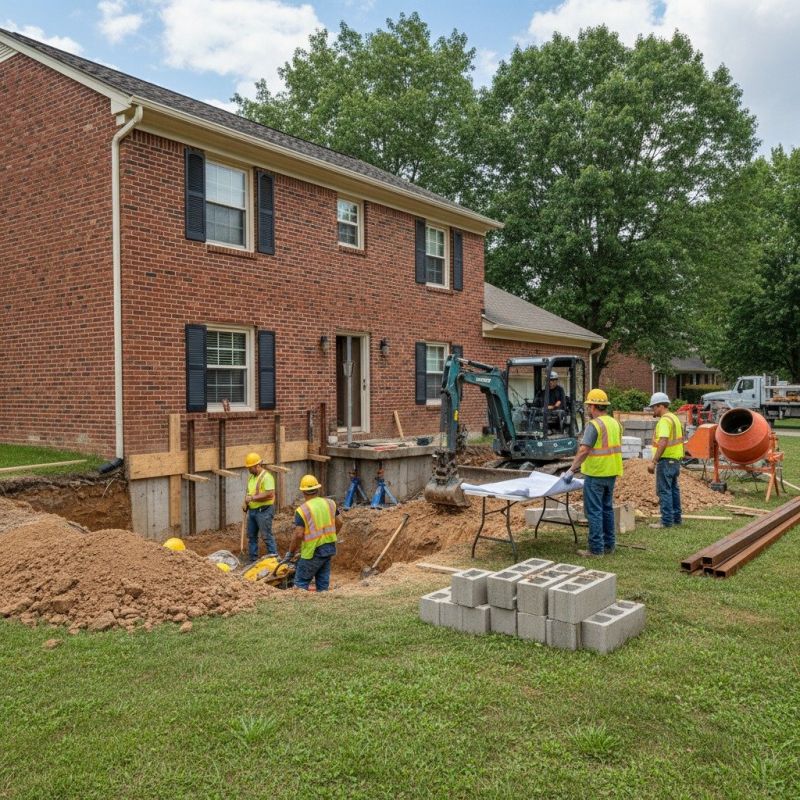
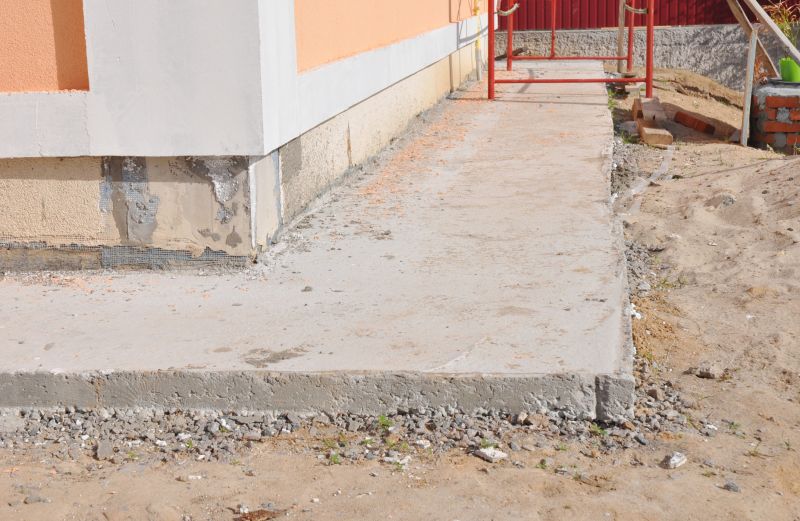
Foundation settlement and how repairs restore stability is a common concern among homeowners experiencing signs of shifting or sinking structures. When people search for this topic, they often want to understand why their property’s foundation is moving and how repairs can fix the issue. Settlement occurs when the soil beneath a foundation shifts or compresses over time, causing the structure to become uneven or develop cracks. Homeowners typically seek information about the causes of foundation movement, the potential risks to their property’s safety and value, and the repair options available to stabilize their home. Recognizing these signs early can help prevent more serious damage and preserve the integrity of the building.
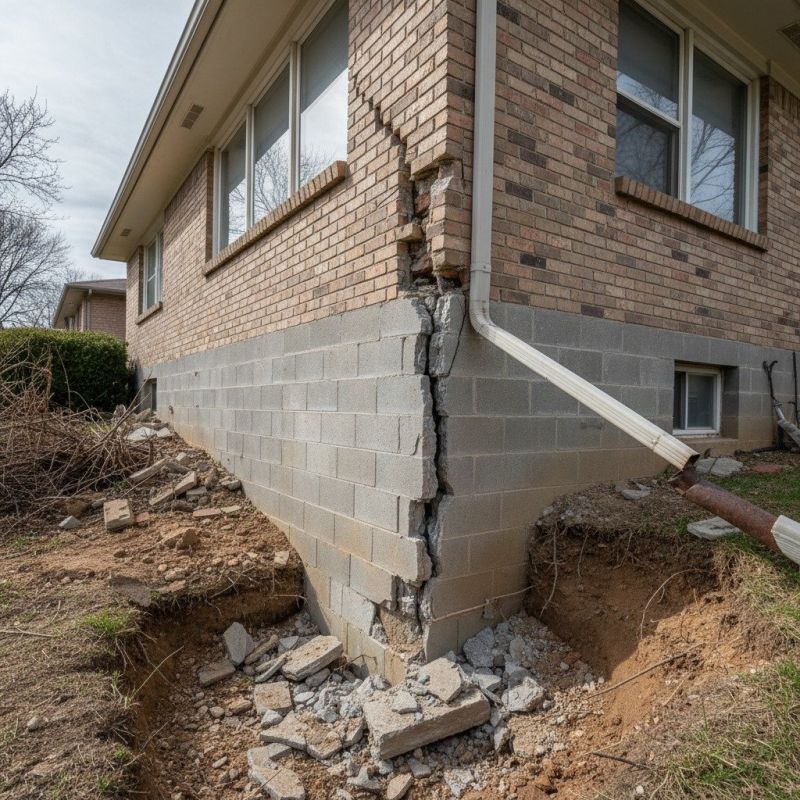
This topic relates closely to problems such as uneven floors, cracked walls, sticking doors or windows, and visible gaps around the foundation or masonry. These issues often indicate that the foundation has shifted or settled unevenly, putting stress on the structure. Repair plans usually involve methods to lift, stabilize, or reinforce the foundation, such as underpinning or piering techniques. These procedures aim to restore the foundation to a level position and prevent further movement. Homeowners considering foundation repairs should understand that addressing settlement is crucial for maintaining the structural integrity of their property and avoiding costly future repairs.
The types of properties that commonly experience foundation settlement include both residential and commercial buildings. Single-family homes, especially those built on expansive clay soils or in areas with shifting ground, are frequently affected. Multi-family complexes and small commercial structures can also encounter settlement issues, particularly if the soil conditions are unstable or if there has been recent construction or excavation nearby. The age and construction style of a property can influence how susceptible it is to settlement, with older structures sometimes more prone to issues due to aging materials or inadequate initial foundation work. Local service providers experienced in foundation repair are familiar with these property types and can assess the specific needs of each site.
Understanding how foundation settlement and repairs relate to real projects helps homeowners see the importance of timely intervention. When a property shows signs of unevenness or cracking, local pros can evaluate the extent of the settlement and recommend suitable repair solutions. These professionals bring expertise in stabilizing foundations, using techniques that restore the home’s natural level and prevent further movement. By connecting with experienced foundation repair contractors, homeowners can ensure that their property’s stability is restored efficiently and effectively, safeguarding both the structure and its occupants for years to come.
Soil Stabilization Projects - these projects involve techniques to improve ground conditions, which are essential in preventing or repairing foundation settlement and restoring stability.
Retaining Wall Installations - constructing retaining walls helps manage soil movement and provides support, similar to foundation repair efforts to stabilize shifting structures.
Drainage System Installations - effective drainage solutions reduce water-related soil issues that can lead to foundation settlement, aligning with repair strategies for stability restoration.
Basement Waterproofing - waterproofing projects protect foundations from water damage, a common cause of settlement problems, and are often handled by local contractors experienced in foundation stabilization.
Pier and Beam Foundation Lifting - these projects involve lifting and leveling uneven structures, directly related to foundation repair techniques that restore structural stability.
Soil Removal and Replacement - replacing unstable soil with suitable fill materials is a method used to correct foundation settlement issues and reinforce stability.
When evaluating service providers for foundation settlement and how repairs restore stability, it is important to consider their experience with similar projects. Homeowners should inquire about the contractor’s background in handling foundation issues comparable to their own, such as specific types of settlement or soil conditions. A contractor with a history of successful repairs in similar situations is more likely to understand the complexities involved and deliver results that effectively address the problem. This familiarity can help ensure that the repair approach is appropriate and that potential challenges are anticipated and managed properly.
Clear written expectations are essential when choosing a foundation repair contractor. Homeowners should seek detailed proposals that outline the scope of work, materials to be used, and the methods employed to restore stability. A well-defined plan helps prevent misunderstandings and ensures that both parties are aligned on what the project entails. It also provides a basis for assessing whether the proposed solution is suitable for the specific foundation issues faced. Transparent communication through written documentation fosters trust and helps homeowners make informed decisions about which local service providers are best suited for their needs.
Reputable references and effective communication are key factors in selecting a foundation settlement repair provider. Homeowners should ask for references from previous clients who had similar work done, to gain insight into the contractor’s reliability and quality of work. Additionally, a service provider’s willingness to answer questions clearly and keep homeowners informed throughout the project indicates professionalism and a commitment to customer service. Good communication ensures that homeowners understand the repair process, expectations, and any potential concerns, leading to a smoother experience and greater confidence in the chosen local contractor’s ability to restore stability to their foundation.
Property owners often search for foundation settlement and how repairs restore stability when they are planning practical projects around their homes and businesses. Local pros provide Foundation Settlement Repair services for everyday jobs and straightforward project options.
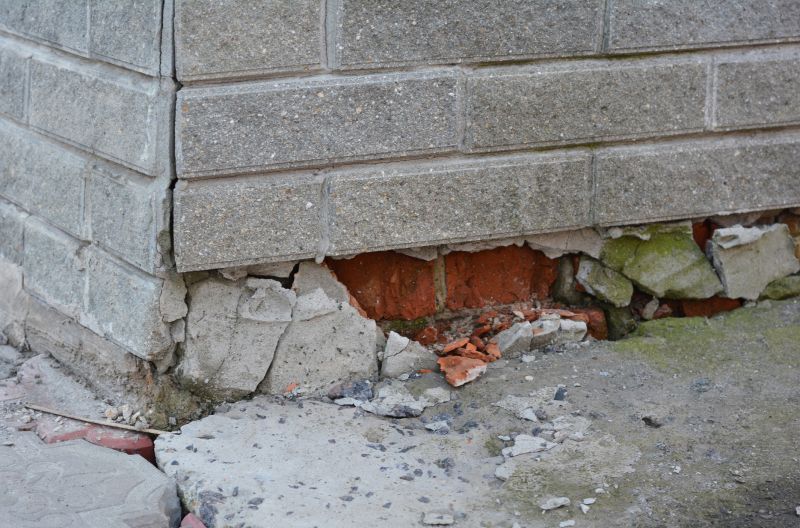
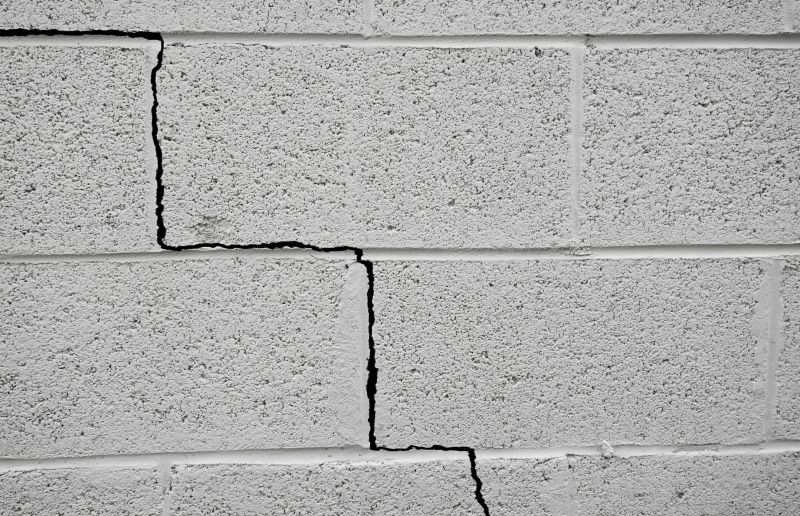
Foundation settlement and how repairs restore stability are common concerns for property owners experiencing uneven floors, cracked walls, or sticking doors. These issues often arise from shifting soil, poor drainage, or other ground movement beneath the foundation. Local contractors specializing in foundation repair can assess the situation and recommend appropriate solutions to help stabilize the structure. Property owners seeking reliable repair services may look into options that restore the integrity of their homes, ensuring safety and long-term durability.
Choosing experienced service providers for foundation settlement repair can make a significant difference in addressing underlying problems effectively. Local pros typically use proven methods such as underpinning or piering to lift and stabilize the foundation. Connecting with reputable contractors allows property owners to explore options that suit their specific needs, helping to prevent future damage and maintain the value of their homes. When foundation issues become apparent, reaching out to local experts can provide the necessary expertise to restore stability and peace of mind.
What causes foundation settlement? Foundation settlement often occurs due to soil movement, changes in moisture levels, or poor soil compaction, which can lead to uneven shifting of the structure's foundation.
How do repairs restore foundation stability? Repairs typically involve methods like underpinning or piering to lift and stabilize the foundation, preventing further settlement and protecting the structure’s integrity.
What signs indicate foundation settlement? Common signs include uneven floors, cracked walls, sticking doors or windows, and visible cracks in the foundation or drywall.
Can foundation settlement be fixed without extensive demolition? Many repair techniques are minimally invasive and designed to stabilize the foundation without major demolition, depending on the extent of the settlement.
How do local contractors determine the best repair approach? They assess the foundation's condition through inspections, soil analysis, and structural evaluations to recommend the most effective repair methods for restoring stability.
Assessing foundation issues - Property owners can evaluate signs of foundation settlement, such as cracks or uneven floors, to determine when professional repair services are needed.
Selecting repair methods - Understanding different foundation repair techniques helps property owners choose suitable solutions with local contractors experienced in restoring stability.
Planning for ongoing stability - Incorporating foundation stabilization strategies into renovation or construction projects can prevent future settlement problems.
Partnering with experienced contractors - Connecting with local service providers ensures proper assessment and effective repairs to restore and maintain foundation stability.
If you are thinking about foundation settlement and how repairs restore stability for a property, this guide is meant to help you understand this topic, the typical project types, and how different options might fit your plans.
When you are ready, you can use the quote form on this page to share a few details about your project. From there, local pros can review the basics and follow up with options that match what you have in mind.