
Top-Rated Foundation Repair Equipment for Professionals and DIYers
Browse essential tools and materials favored by experts and homeowners alike for efficient foundation restoration.
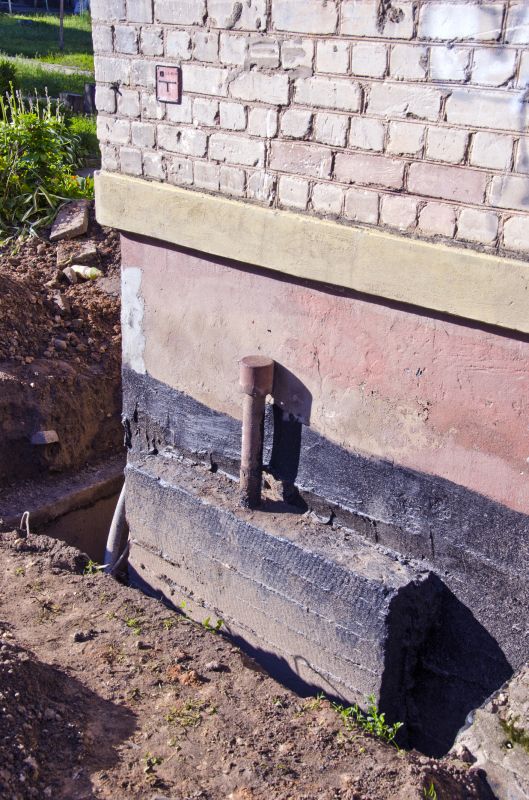 Foundation repairs are a critical aspect of maintaining the structural integrity of a building, especially in regions like Cary, IL, where soil conditions and weather patterns can impact the stability of structures. When addressing foundation issues, it is essential to select the right products that suit the specific needs of the repair project. These products can range from simple crack fillers to complex underpinning systems, each designed to stabilize and reinforce the foundation. Proper selection and application of these materials can help prevent further damage, protect property value, and ensure safety.
Top Overall Option
Polyurethane Foam Injection System
Polyurethane foam injection systems are versatile and effective for lifting and stabilizing settled or cracked foundations. They expand upon application to fill voids and lift slabs, providing a quick and minimally invasive solution. These systems are often used for small to medium-sized repairs and can be tailored to specific soil and foundation conditions, making them a popular choice among professionals and DIY enthusiasts alike.
Types of Products For Foundation Repairs
Epoxy Crack Fillers
Designed to seal and stabilize small surface cracks, epoxy fillers restore the integrity of concrete surfaces and prevent water intrusion.
Polyurethane Foam Injection
Used for lifting and filling voids beneath slabs, offering quick expansion and stabilization.
Concrete Piers and Pilings
Support structures driven into the ground to provide foundational stability for sinking or settling foundations.
Underpinning Systems
Advanced methods that extend the foundation depth to reach more stable soil layers, often involving steel or concrete elements.
Carbon Fiber Reinforcement
Fiber strips bonded to the surface of walls to reinforce bowing or cracking sections and prevent further movement.
Helical Piers
Steel piers screwed into the ground to stabilize and lift foundations affected by soil movement.
Mudjacking and Slab Jacking
Injecting a slurry beneath concrete slabs to lift and level sunken areas caused by soil settling.
Drainage and Moisture Control Products
Systems designed to manage water flow and reduce soil erosion around foundations.
Steel Push Piers
Heavy-duty piers driven into the ground to provide support for severely settled foundations.
Soil Stabilization Products
Chemical or mechanical solutions that improve soil strength and reduce shifting.
Flexible Sealants
Sealants used to fill expansion joints and surface cracks, accommodating minor movements.
Foundation Bolts and Anchors
Hardware used to reinforce and secure foundation components and attached structures.
Waterproofing Membranes
Barrier materials applied to foundation surfaces to prevent water infiltration.
Vapor Barriers
Materials installed beneath slabs to control moisture migration and protect the foundation.
Grouting Materials
High-strength cement or chemical grouts used to fill voids and reinforce foundation structures.
Anchor Bolts
Fasteners that secure framing or walls to the foundation, providing stability.
Crack Repair Kits
Complete kits containing materials and tools for sealing and reinforcing foundation cracks.
Popular Choices
Widely used for quick stabilization and lifting of slabs, especially in minor to moderate settling cases.
Commonly selected for sealing surface cracks and restoring concrete integrity.
Frequently chosen for their strength in supporting severely settled foundations.
Popular for improving soil conditions around foundations to prevent future movement.
Preferred for their ability to reach deep stable soil layers and provide long-term support.
Often used for leveling sunken concrete slabs with minimal excavation.
Commonly installed to prevent water damage and soil erosion near foundations.
Regularly used for reinforcing existing foundation structures.
Popular for quick, surface-level crack sealing to prevent water intrusion.
Frequently used beneath slabs to control moisture levels.
Chosen for supporting and lifting foundations in cases of uneven settlement.
Useful for accommodating minor foundation movements while sealing cracks.
Installed to manage water flow and reduce soil saturation around foundations.
Selected for filling voids and stabilizing weak soil zones.
Used to extend foundation support in complex repair scenarios.
Applied to strengthen walls and prevent further cracking.
Installed to redistribute loads and reinforce weak foundation areas.
Understanding the different types of foundation repair products is vital for homeowners and contractors alike. Some products are intended for minor cosmetic fixes, such as surface crack fillers, while others are designed for more substantial structural interventions like underpinning or piering systems. The choice depends on the severity of the foundation issues, the type of soil, and the building's design. It is advisable to consult with a foundation specialist to determine the most appropriate solutions for specific situations.
In addition to the product type, factors such as ease of installation, durability, and compatibility with existing structures play a role in decision-making. Many products are engineered to withstand the local climate and soil conditions, providing long-term stability when used correctly. Regular inspections and maintenance can also extend the lifespan of foundation repair efforts, helping to detect early signs of movement or deterioration.
Choosing the right foundation repair products involves careful consideration of the project's scope, budget, and safety requirements. While DIY solutions are available for minor repairs, complex issues typically require professional assessment and installation. Ensuring that the selected products meet industry standards and are suited for the specific foundation type can contribute to successful and lasting repairs.
Key Buying Considerations
- Assess the severity and type of foundation issues before selecting products.
- Choose products compatible with your foundation material, whether concrete, masonry, or wood.
- Consider the soil conditions and local climate impacts on product durability.
- Evaluate whether professional installation is recommended or if DIY options are suitable.
- Check for products that meet industry standards and certifications for safety and performance.
- Determine the scale of the repair project to select appropriately sized and rated products.
- Review product longevity and resistance to moisture, temperature changes, and soil movement.
- Look for ease of application and whether specialized tools or skills are required.
- Consider the potential for future repairs and whether products are adaptable for ongoing maintenance.
- Budget constraints should be balanced with the quality and effectiveness of the repair materials.
- Ensure proper surface preparation and application procedures are followed for optimal results.
- Opt for products with clear instructions and technical support if needed.
- Be aware of local building codes and permit requirements related to foundation repairs.
- Prioritize products that offer reliable performance and are backed by manufacturer warranties.
- Consult with a foundation repair professional to confirm the best product choices for your specific situation.